

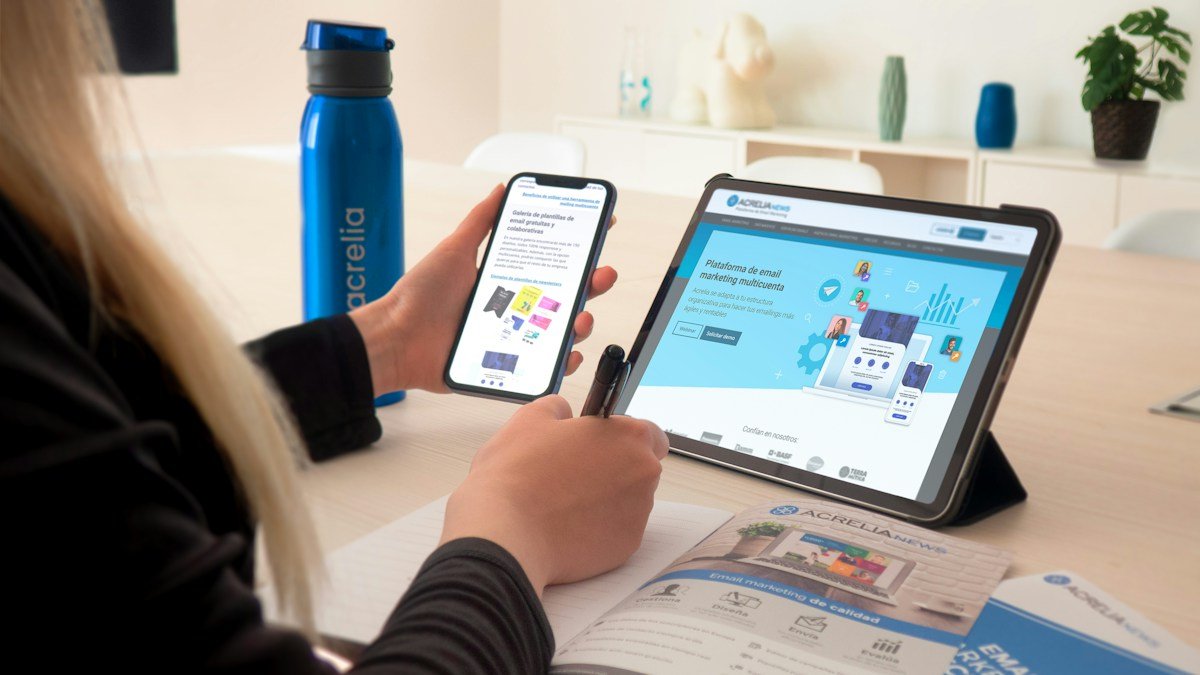
A strong lead magnet strategy for small businesses gives website visitors a useful reason to share their email address. Instead of asking people to “join our newsletter” without context, the business offers a focused resource that solves one immediate problem.
The goal is not to collect the largest possible list. It is to attract people who genuinely match the business, deliver value quickly and create a natural path toward the next useful step.
What Is a Lead Magnet?
A lead magnet is a free resource offered in exchange for contact information, usually an email address. Common formats include checklists, templates, calculators, short guides, comparison sheets, quizzes and mini-courses.
The best lead magnets are specific. A broad ebook called “Everything You Need to Know About Marketing” creates more work for the business and less urgency for the reader. A one-page “Local SEO Profile Checklist” promises a clear result that can be used immediately.
Start With One Valuable Customer Problem
Before choosing a format, identify a problem that appears before the customer is ready to buy. Review search queries, enquiries, sales calls, support questions and comments. Look for a question that is important enough to motivate action but narrow enough to solve in one resource.
A web designer might offer a website-launch checklist. An accountant could provide a monthly expense tracker. A cleaning company might create a moving-day preparation checklist. Each resource connects directly to the service without becoming a sales brochure.
Match the Lead Magnet to Buying Intent
Not every visitor is at the same stage. Someone learning about a problem needs a different resource from someone comparing providers.
- Early stage: educational checklist, glossary or beginner guide.
- Middle stage: template, calculator, comparison sheet or planning worksheet.
- Decision stage: audit, consultation preparation guide, pricing worksheet or case-study pack.
Choose one stage and one audience. A narrowly targeted resource usually brings fewer but more relevant subscribers than a generic giveaway.
Choose a Format People Will Actually Use
Use the simplest format that delivers the promised result. A printable checklist may outperform a 40-page ebook because it is faster to understand. A spreadsheet may be more valuable than a designed PDF when the reader needs to calculate or organise information.
Good lead magnets are practical, skimmable, mobile-friendly and clearly branded. Include a short explanation of how to use the resource, but remove unnecessary introductions and repeated promotional language.
Create a Focused Landing Page
The landing page should explain one promise, not every service the business offers. Include:
- A headline that names the outcome
- A short explanation of who the resource is for
- Three to five concrete benefits
- A preview or visual of the resource
- A short form asking only for necessary information
- A clear privacy statement
- One primary call to action
Reduce distractions. If the page contains several menus, offers and competing buttons, visitors may postpone the decision.
Write a Clear Value Exchange
Visitors should understand what they will receive and what happens after they subscribe. State the format, delivery method and whether they will also receive marketing emails. Avoid vague promises such as “unlock success.” Describe the practical result instead.
Collect only the information you can justify using. For many small businesses, a first name and email address are enough. Extra fields can lower completion and create more data to protect.
Build the Delivery and Follow-Up Sequence
Deliver the resource immediately on a thank-you page or through email. Then create a short sequence that helps the subscriber use it:
- Delivery: provide the resource and restate the promised result.
- Application: explain one common mistake or useful next step.
- Proof: share a relevant example, result or case study.
- Invitation: offer the next logical action, such as reading a guide, requesting an assessment or viewing a service.
Every message should add value. The sequence should feel like guidance, not a sudden switch from education to pressure.
Protect Trust and Follow Email Rules
Use honest subject lines, identify the sender clearly and provide a working unsubscribe method. The FTC’s CAN-SPAM guidance explains that commercial messages must include accurate sender information and a clear opt-out process. Businesses serving people in other jurisdictions should also review the consent and privacy rules that apply to them.
Do not buy email lists or hide consent language. A smaller permission-based list is more useful than a large list of people who do not recognise the sender.
Promote the Lead Magnet in Relevant Places
Place the offer where the reader’s intent matches it: inside a related blog article, on a service page, in the website header or footer, on a social profile and in relevant follow-up messages. Avoid showing the same intrusive popup immediately on every page.
The article on building a small-business marketing funnel can help connect the lead magnet to the wider customer journey. After subscribers join, the email marketing automation guide explains how to manage useful follow-up.
Measure Quality, Not Only Downloads
Track landing-page conversion rate, delivery rate, email engagement, unsubscribes and the percentage of subscribers who take a meaningful next action. High download numbers do not prove that the lead magnet attracts suitable customers.
If many people subscribe but few engage, review the promise, audience and follow-up. If the page receives traffic but few people subscribe, improve the relevance and clarity of the offer before adding more promotion.
A Simple 7-Day Launch Plan
- Choose one audience and one urgent problem.
- Define a specific outcome and format.
- Create the smallest useful version.
- Build a focused landing and thank-you page.
- Write the delivery email and three helpful follow-ups.
- Test the form, download, mobile layout and unsubscribe process.
- Promote it in three relevant places and measure results.
Final Thoughts
Lead Magnet Strategy for Small Businesses: Frequently Asked Questions
Why is a lead magnet strategy for small businesses important?
A lead magnet strategy for small businesses turns anonymous website visits into permission-based relationships. It gives suitable prospects immediate value while helping the business build an audience it can reach again.
What should a lead magnet strategy for small businesses include?
An effective lead magnet strategy for small businesses includes one defined audience, one urgent problem, a useful resource, a focused landing page, transparent consent and a short follow-up sequence.
How should a lead magnet strategy for small businesses be measured?
Measure the lead magnet strategy for small businesses using landing-page conversion, delivery rate, email engagement, unsubscribes, qualified enquiries and eventual customers—not downloads alone.
Final Thoughts
A lead magnet strategy for small businesses works when it solves a real problem, attracts the right audience and leads naturally to further help. Start small, keep the promise specific and make the resource genuinely useful. Trust earned at the first exchange can become the foundation of a strong customer relationship.