

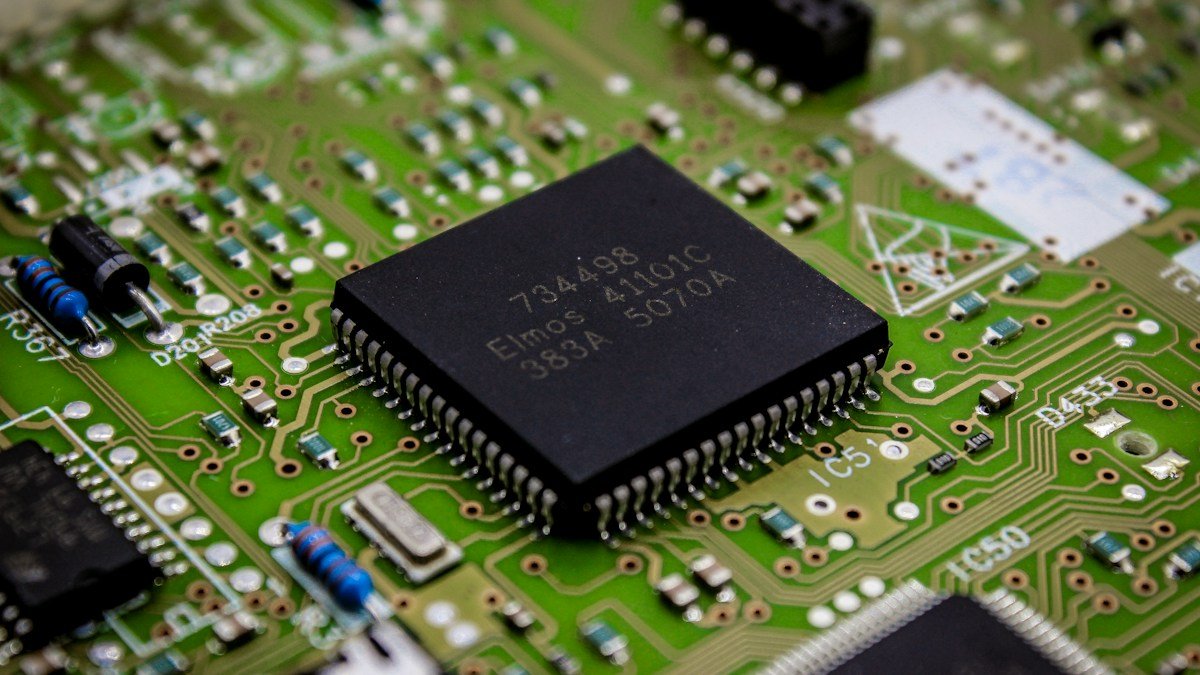
LPDDR5X memory chips are becoming an important part of the next generation of smartphones, portable computers and AI-enabled devices. On September 20, 2026, Chinese chipmaker CXMT announced that a fifth-generation memory platform had entered mass production and introduced new 24-gigabit LPDDR5X products. According to Reuters, the chips are designed to increase storage density while reducing cost and power consumption.
For small businesses, this is not only semiconductor news. Memory improvements influence device performance, battery life, product pricing, AI capability and technology purchasing decisions.
What are LPDDR5X memory chips?
LPDDR stands for Low-Power Double Data Rate. It is a type of dynamic memory designed for devices where energy use and physical space matter. LPDDR5X improves on earlier generations with higher data-transfer speeds and better efficiency.
Unlike storage, which keeps files when a device is turned off, memory holds the information an application is actively using. More capable LPDDR5X memory chips can help devices run demanding applications, switch between tasks and process AI workloads without consuming as much power as less efficient designs.
Why the latest production development matters
Moving a chip platform into mass production is different from demonstrating a laboratory prototype. Manufacturers must achieve consistent quality, acceptable production yields and competitive costs at scale.
CXMT said its process uses quadruple patterning to create smaller memory features and increase the number of chips produced per wafer. The company’s new 24-gigabit products reportedly hold 50% more data than its previous generation. If production targets are sustained, the development could increase competition in a market led by Samsung, SK Hynix and Micron.
1. More memory supports on-device AI
AI tools traditionally send substantial work to cloud data centers. More powerful devices can process a larger share locally. That may improve responsiveness and allow some functions to continue without a constant internet connection.
On-device processing can also reduce the amount of information sent to external servers, although privacy depends on the complete software design. LPDDR5X memory chips provide the fast working memory required for models, images, audio and application data.
2. Energy efficiency affects real business costs
Longer battery life matters to field workers, delivery teams, sales staff and creators. A memory component uses only part of a device’s power, but efficiency improvements across processors, displays and memory can create a meaningful difference.
Businesses should evaluate battery life under their actual workload rather than relying only on marketing claims. Video editing, navigation, mobile hotspots and AI features may consume power differently.
3. Greater competition may influence device prices
Additional production capacity can put pressure on prices and reduce dependence on a small group of suppliers. However, the final cost of a phone or laptop also depends on processors, displays, storage, software and tariffs.
Do not delay an essential purchase based only on expectations of cheaper memory. Instead, compare the useful life and productivity benefit of the current device with the cost of waiting.
4. Supply-chain geography is becoming strategic
Semiconductors sit at the center of trade policy and technology security. The development of domestic manufacturing capabilities can reshape where companies source components and which devices are available in different markets.
A small business buying finished products may not choose the memory supplier directly, but it can still reduce risk. Standardize on more than one approved device model, document replacement procedures and avoid software that works only on a single hardware configuration.
How much memory does a business device need?
Requirements depend on the workload:
- 8GB: basic communication, browser work and lightweight office applications.
- 12GB–16GB: heavier multitasking, design tools, larger spreadsheets and many professional workflows.
- 24GB or more: advanced creative work, local AI, development or specialized technical applications.
Memory type and capacity are only two factors. Processor performance, cooling, storage speed and software optimization also shape the experience. LPDDR5X memory chips can be fast and efficient, but they cannot compensate for an unsuitable overall device.
A practical buying checklist
- List the applications employees actually use.
- Measure current memory pressure and performance problems.
- Check whether memory is upgradeable or permanently integrated.
- Compare battery tests based on realistic workloads.
- Review warranty, repairability and security-update periods.
- Calculate the total cost across the expected device life.
Store files appropriately and use a documented cloud-storage strategy, but remember that storage management does not replace adequate working memory.
What technology teams should monitor
Watch independent device benchmarks, production availability and which manufacturers adopt the new components. Pay attention to sustained performance rather than short benchmark peaks. For AI-enabled devices, check which features run locally, which require subscriptions and what happens to business data.
Procurement teams should also monitor compatibility with device-management and security systems. New hardware is valuable only when it can be supported consistently.
Potential limitations
High-density integrated memory may be difficult or impossible to upgrade. A failed component can require replacement of a larger board. New production processes also need time to establish reliability and broad availability.
For that reason, do not purchase based on the phrase “next generation” alone. Compare serviceability, warranty and verified performance. The best business device is dependable over its full working life.
Frequently asked questions
Are LPDDR5X memory chips the same as storage?
No. Memory supports active applications, while storage retains documents, software and other files after power is removed.
Will LPDDR5X make every device faster?
Not automatically. Performance depends on the processor, software, cooling and workload as well as the memory system.
Should a small business upgrade immediately?
Upgrade when existing devices limit productivity, security or software compatibility. A new memory standard alone is not a sufficient reason.
The bottom line
LPDDR5X memory chips can support faster, more efficient and more AI-capable devices. The latest move into high-density mass production may also increase competition in the global memory market. Small businesses should translate the headline into a disciplined purchasing question: will the complete device improve productivity, security and useful life enough to justify its cost?