
First-party data for small businesses is becoming more important as marketing platforms automate more campaign and measurement decisions. Reliable first-party signals can help a business understand performance, improve conversion measurement and make better use of AI-assisted advertising without collecting unnecessary information.
First-party data is information a business collects directly through its own customer interactions, with appropriate notice, permissions and privacy practices. Examples can include purchases, enquiries, newsletter sign-ups, CRM records and website conversion events.
Why first-party data for small businesses matters
Small businesses often have limited advertising budgets. That makes it important to distinguish activity from outcomes. A thousand visits may be less valuable than ten qualified enquiries. First-party data helps connect marketing activity to actions that actually matter to the business.
Google's enhanced conversions best-practices guidance explains that first-party data can strengthen conversion measurement when implemented appropriately, including through meaningful conversion actions such as purchases, subscriptions and sign-ups.
1. Define your valuable actions
Start with outcomes rather than tools. For an ecommerce business that may be a completed purchase. For a service business it might be a qualified enquiry, booked consultation or signed contract. Define the actions clearly before configuring reports.
2. Collect only useful information
More data is not automatically better. Collect information that has a legitimate business purpose and that you can maintain responsibly. Avoid building forms that ask for unnecessary personal information simply because a field is available.
3. Organize customer information
A CRM can help connect enquiries, follow-ups and outcomes instead of leaving customer information scattered across inboxes and spreadsheets. If you are choosing a system, see our CRM guide for small businesses.
4. Improve conversion tracking
Review the events your analytics and advertising platforms treat as conversions. Make sure they represent meaningful actions. A page view or button click may be useful diagnostically, but it should not automatically carry the same business value as a purchase or qualified lead.
5. Connect marketing to business outcomes
Use consistent campaign naming and record where qualified leads originated when practical. Ask useful questions: Which channels generate customers? Which campaigns attract low-quality leads? Which content assists conversions even when it is not the final touchpoint?
6. Protect the data you collect
Customer information creates responsibility. Limit access, use strong authentication, keep software updated and maintain backups. Collecting valuable data without protecting it introduces unnecessary business risk. Our small-business cybersecurity checklist covers core protections.
7. Use AI as an analysis aid
AI tools can surface patterns and accelerate reporting, but the business still needs to define success and check whether recommendations make commercial sense. Automated systems can optimize toward the wrong objective efficiently if the underlying signals are weak.
A simple first-party data measurement dashboard
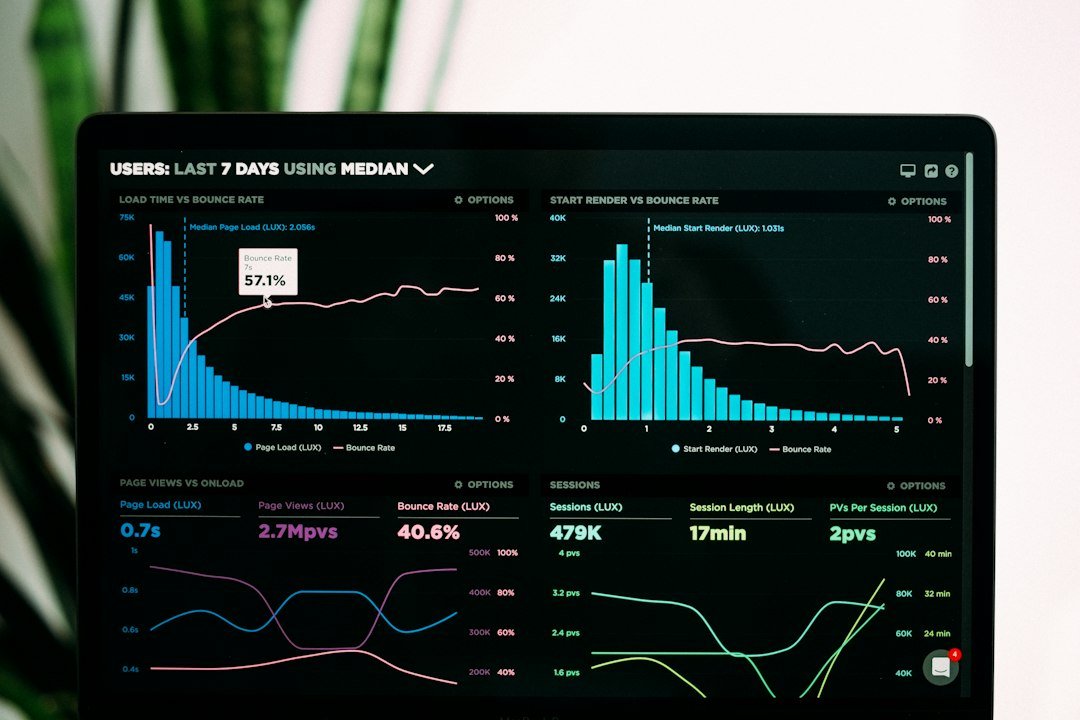
For many small businesses, a useful dashboard can remain compact: qualified leads or orders, conversion rate, customer acquisition cost where measurable, revenue, repeat purchases or retention, and a small set of channel-level indicators. Avoid filling a dashboard with numbers nobody uses to make a decision.
Our small-business decision dashboard guide explains how to turn metrics into an operating view.
Privacy and consent still matter
First-party does not mean unrestricted. Businesses should provide appropriate privacy information, respect applicable consent requirements and configure tools according to the laws and markets in which they operate. Google also recommends an appropriate consent framework for enhanced conversions where applicable, including for businesses operating in the European Economic Area and the UK.
Build the foundation before advanced tools
The practical advantage of first-party data for small businesses is clarity. When a business knows which actions matter, measures them consistently and protects the information it collects, newer AI and measurement tools have a stronger foundation to work from. Start with the business question, improve the signal, and then use technology to make analysis faster.